 Call for help: 9861448866 | 9961920270



Introduction
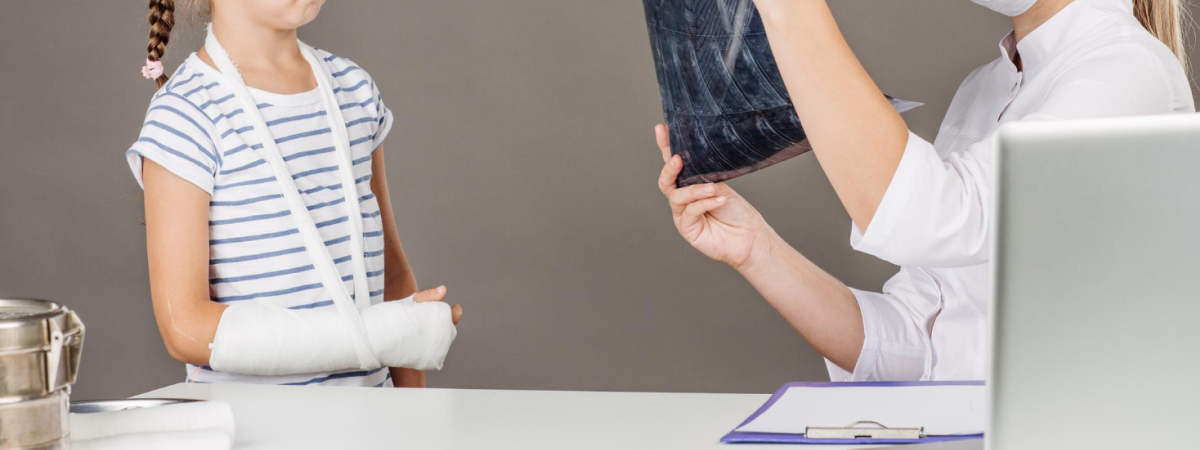
Children are active, and injuries from falls, sports and play are common. While many childhood injuries heal well, some fractures and growth plate injuries need careful orthopedic evaluation to protect future growth and movement.
Children's Bones Are Different
A child's skeleton is still developing. Growth plates are areas near the ends of bones where growth occurs. Injuries involving these areas need special attention because they may affect bone growth if not treated properly.
Warning Signs Parents Should Watch For
Parents should seek care if a child has severe pain, swelling, deformity, refuses to walk, cannot move an arm or leg, cries when the injured area is touched, or has pain after a fall that does not improve.
Non-Surgical Treatment for Children
Many paediatric fractures can be treated with casts, splints or braces. The orthopedic doctor checks alignment and healing during follow-up visits.
When Surgery May Be Required
Surgery may be needed for displaced fractures, open injuries, joint-involving fractures, growth plate injuries or fractures that cannot be held safely in a cast.
The Role of Follow-Up
Follow-up is especially important in children. Even after pain improves, the doctor may need to confirm that the bone is healing correctly and growth is not affected.
Book a Paediatric Trauma Consultation
If your child has a suspected fracture, swelling or injury-related pain, consult Dr. Saurabh Agrawal for child-focused orthopedic care.
Frequently Asked Questions
QCan children's fractures heal faster than adults?
Children often heal faster, but alignment and growth plate safety still need proper monitoring.
QShould I wait if my child can move the injured limb?
Movement does not always rule out fracture. Persistent pain or swelling should be evaluated.
QIs surgery safe for children?
Surgery is recommended only when needed. The doctor explains risks, benefits and alternatives before treatment.